
Whether to call for help can often be a difficult decision. There is a tendency to delay asking for help due to embarrassment, not wanting to inconvenience others, or the expense to the government. In reality, delaying a rescue often costs more and can adversely affect the long-term health of injured people.
When to call for help?
Ultimately it is a personal decision on when to call for help, but consider the following factors:
- Will trying to walk out or self-rescue cause more significant injury?
- Are you stuck but currently safe? Will trying to self-rescue expose you to more risk?
- Are deteriorating conditions (weather or daylight) going to make a rescue in several hours more difficult and dangerous to all involved?
How to call for help?
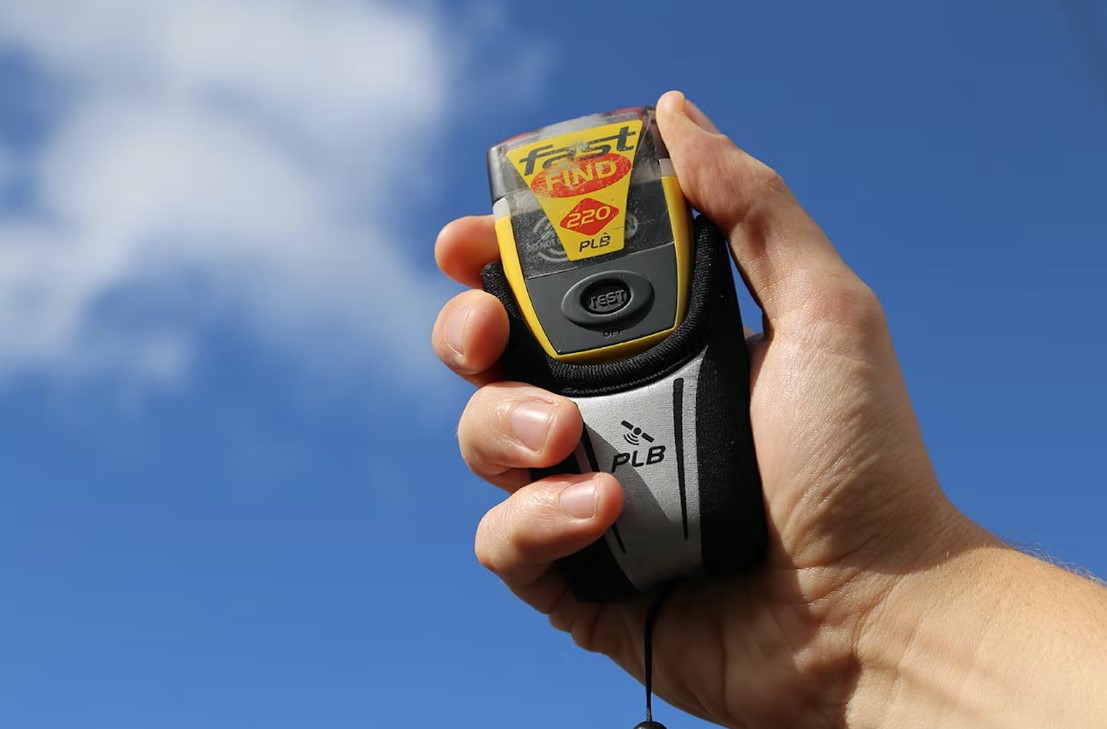
If you require urgent assistance, you should activate your Personal Locator Beacon (PLB) or Satellite Communicator (inReach / Spot etc) if you have one.
Do this even if you have mobile phone coverage, then move on to below.
Dialling 111
If you have mobile phone coverage, phone 111 and ask for Police Search and Rescue. Do not ask for an Ambulance unless you are in a location that can be easily accessed by road.
Typically, all calls to the 111 system go through a set of screening questions, which can be difficult to answer when you are in a remote location not near a Common Place Name.
Inform the Police Communicator at the start of the call that you are in a remote location with communication difficulties. This will allow you to provide the Police Communicator with the information they need concisely rather than answering what can seem like endless questions.
What information should we provide and have available before calling 111?
Your location:
- Ideally with coordinates in a standard format, eg NZTM or Lat.Long from a GPS (or your phone) or a 6 figure grid reference from a map
- Physical description of the location (e.g. Mackley River 1km E of Wilderness Stream junction, Mt William Range). A physical description is recommended in case of an error in the coordinates.
If you have access to mobile data and your phone has GPS signal, they may send you a ‘mobile locate’ text which once accepted lets them know your exact location.
A summary of the situation:
- Identification: your name or the name of your party.
- Situation: what is wrong (injury severity, type of illness, trapped, lost?)
- Number of people requiring assistance.
- Type of assistance required.
- Resources you have available. Include the number of unaffected people, training, first aid and shelter resources.
- Your plan/what you intend to do while waiting for assistance.
Any additional information to assist with the response:
- The weather at the location (especially wind and visibility).
- Location of good helicopter landing sites
- Any hazards in the area
Depending on the weather/flying conditions, it may be some time before help arrives. In the case of poor weather, find shelter and keep warm. Emergency shelters are invaluable for unplanned moments like this if you don’t have a full tent.
Philosophy about using PLBs
It is important to develop the right philosophy around the use of PLBs. We see the SOS button to be only for use when the prevention of life-long harm is beyond the capabilities of those involved. We don’t use it to prevent inconvenience or discomfort.
Choosing to recreate, adventure and challenge yourself in the wilderness should come with and acceptance of discomfort and self reliance when things deviate from the plan. Having an emergency response team (Police, LandSAR, Rescue Coordination Center, etc) as we do in Aotearoa is a privilege but also a finite resource that we should call on only when absolutely necessary.
Featured image credit: Wilderness Magazine
 Alpine Rescue Canterbury
One Reply to “”